
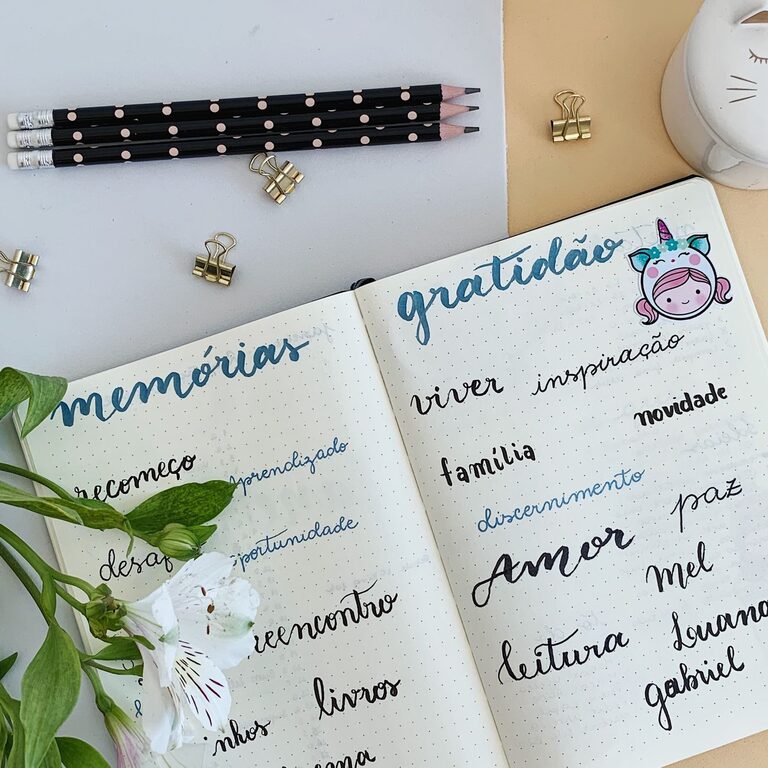
Starting a gratitude journal is a simple yet powerful way to cultivate a more positive mindset and improve overall well-being. By regularly recording what you’re thankful for, you train your brain to focus on the good in life, which can lead to greater happiness, reduced stress, and improved relationships. If you want to give it a try but don’t know where to begin, this guide will walk you through the process step-by-step.
What Is a Gratitude Journal?
A gratitude journal is a personal diary where you write about things you appreciate in your life. These can be big or small moments—a sunny morning, a kind gesture from a friend, or simply feeling healthy. The key is to focus on positivity and the things that bring you joy or contentment.
Why Keep a Gratitude Journal?
Research shows that practicing gratitude can have several benefits:
– Boosts happiness: Focusing on positive experiences can increase feelings of joy and contentment.
– Reduces stress: Gratitude shifts attention away from worries.
– Improves sleep: Reflecting on good things before bed can promote better rest.
– Enhances relationships: Recognizing others’ kindness fosters stronger bonds.
– Encourages mindfulness: Writing regularly helps you stay present and aware.
How to Start Your Gratitude Journal
1. Choose Your Journal
Start by selecting a notebook or journal that feels right for you. It can be as simple as a lined notebook, a beautiful bound journal, or even a digital app or document. The most important thing is that you enjoy using it and can access it easily.
2. Set a Routine
Decide when you will write in your journal. Many people find it helpful to write either in the morning to start the day on a positive note, or at night to reflect on the day’s good moments. Choose a time that fits your schedule and stick to it consistently.
3. Keep It Simple
You don’t need to write long paragraphs. Start with listing 3 to 5 things you are grateful for each day. These can be specific events, people, or even personal qualities. For example:
– “I’m grateful for the warm coffee I enjoyed this morning.”
– “I’m thankful for my friend’s support during a tough day.”
– “I appreciate having a comfortable place to sleep.”
4. Be Specific and Personal
Try to be specific about what you are grateful for and why it matters to you. Instead of writing “I’m grateful for my family,” you might say, “I’m grateful for how my sister called me today and made me laugh.” Specificity helps deepen your appreciation.
5. Reflect on Challenges
Sometimes, reflecting on difficult experiences and finding something positive in them can be very powerful. For example, “I’m grateful for the patience I learned from dealing with a stressful situation at work.” This doesn’t mean ignoring hardship, but finding growth and lessons within it.
6. Use Prompts When Stuck
If you have trouble thinking of things to write, prompts can be helpful. Here are a few ideas:
– What made you smile today?
– What is something beautiful you noticed recently?
– Who made your life easier or happier recently?
– What is a simple pleasure you enjoyed today?
7. Include Visuals or Quotes (Optional)
Some people like to add doodles, photos, or inspirational quotes to their gratitude journal. This can make journaling more enjoyable and motivating, but it’s not necessary.
Tips for Maintaining Your Gratitude Practice
– Be consistent: Try to write every day, even if only a few lines.
– Be honest: Your gratitude journal is for you, so write what feels true.
– Stay positive but realistic: Focus on genuine appreciation rather than forcing optimism.
– Review past entries: Occasionally look back to remind yourself of the good things in your life.
– Combine with other habits: Pair journaling with meditation or deep breathing for enhanced benefits.
Overcoming Common Challenges
Feeling Too Busy
If time is tight, even 2–3 sentences count. Gratitude journaling doesn’t require lengthy entries.
Struggling to Find Things to Be Grateful For
Start small. Gratitude can come from everyday things like a warm meal, fresh air, or a moment of quiet.
Losing Motivation
Try changing your journaling time, using prompts, or sharing your gratitude practice with a friend to stay motivated.
Final Thoughts
Starting a gratitude journal is a simple habit that can have a meaningful impact on your life. It helps redirect your focus toward the positive, making daily challenges easier to face and increasing your overall happiness. With the steps and tips shared here, you can begin your own gratitude journey today—one small note of thanks at a time.
About the Author