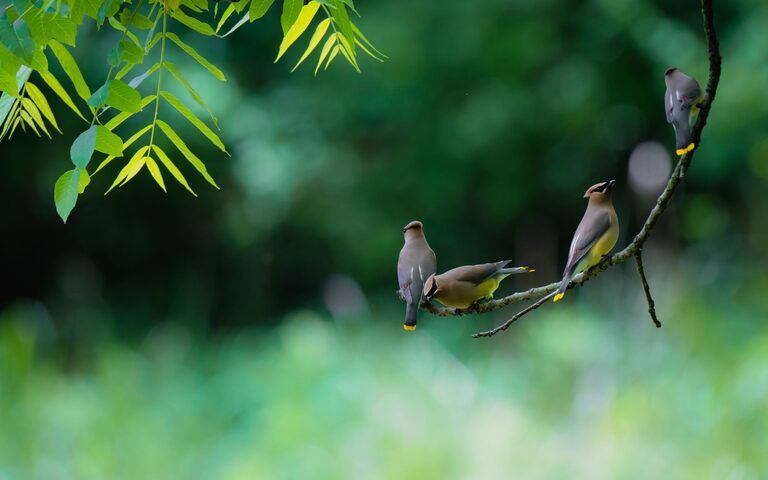
Birdwatching is a rewarding and relaxing hobby that anyone can enjoy, right in their own backyard. Whether you live in a city, suburb, or the countryside, your outdoor space can become a natural haven for local birds. If you’re new to birdwatching, this guide offers beginner tips to help you attract birds, identify different species, and enhance your experience.
Why Start Backyard Birdwatching?
Birdwatching offers a unique chance to connect with nature, reduce stress, and learn about the wildlife around you. It’s a hobby that requires little investment, just some patience and curiosity. Plus, observing birds can be a fun activity for all ages.
Setting Up Your Backyard for Birdwatching
1. Choose the Right Bird Feeders
Bird feeders are one of the simplest ways to attract birds. Start with a basic feeder that suits the types of birds common in your area.
– Tube feeders: Great for small birds like finches and chickadees.
– Platform feeders: Attract a variety of birds, including doves and jays.
– Suet feeders: Perfect for insect-eating birds like woodpeckers.
Check local bird guides or online resources to find out which feeder works best for your region.
2. Select Appropriate Bird Food
Different birds prefer different seeds and foods:
– Black oil sunflower seeds: Popular with many bird species.
– Nyjer (thistle seeds): Loved by finches.
– Peanuts and suet: Attract woodpeckers, nuthatches, and chickadees.
Avoid bread and processed foods, as they don’t provide proper nutrition and can be harmful.
3. Provide Fresh Water
Birds need water for drinking and bathing. A shallow birdbath or a small water fountain encourages visits. Keep the water fresh and clean, especially during hot weather.
4. Create Shelter and Nesting Spots
Birds look for safe spaces to rest and nest. Plant native shrubs, trees, or install birdhouses to offer shelter. Native plants also attract the insects birds eat.
Observing Birds: Tips for Beginners
1. Start with Common Local Birds
It’s easier to spot and identify birds that are common in your area. Use a local bird guidebook or smartphone app to help with identification.
2. Invest in Basic Equipment
– Binoculars: A good pair of binoculars brings small birds into clear view.
– Notebook or journal: Record what you see and any behaviors or patterns.
– Field guide or app: Helps with identifying bird names and learning about their habits.
3. Watch Quietly and Patiently
Birds are easily startled. Find a comfortable spot, move slowly, and stay quiet to avoid scaring them away. Early mornings or late afternoons are often the best times to watch birds.
4. Take Photos or Make Sketches
Documenting your sightings can be fun and helpful for learning. Photos allow you to review details later, while sketching helps sharpen observation skills.
Learning More About Birds
1. Join Local Birdwatching Groups
Many communities have clubs or groups where you can meet fellow bird enthusiasts. These groups often organize walks, workshops, and events.
2. Participate in Citizen Science Projects
Projects like the Audubon Christmas Bird Count or eBird allow you to contribute your observations to scientific research. It’s a great way to feel connected to a larger community.
3. Read Books and Watch Videos
Expand your knowledge by reading books on bird behavior, habitats, and identification. Nature documentaries and educational videos can also offer valuable insights.
Common Backyard Birds to Look For
Depending on your location, you might see:
– Northern Cardinal: Bright red males with a distinctive crest.
– Blue Jay: Loud, blue-colored birds known for their intelligence.
– House Finch: Small birds with red or orange coloring.
– American Robin: Famous for its orange belly and cheerful song.
– Mourning Dove: Soft gray birds with gentle cooing sounds.
Using a bird identification guide will help you learn more about the unique traits of these and other species.
Tips for Keeping Your Birdwatching Area Safe and Clean
– Clean feeders and birdbaths regularly to prevent disease.
– Avoid using pesticides and chemicals near your bird habitat.
– Provide natural materials like twigs or grass for nest building.
– Be mindful of pets that may disturb or harm visiting birds.
Final Thoughts
Backyard birdwatching is a fulfilling and accessible way to enjoy the outdoors and learn more about the fascinating world of birds. With a little preparation and patience, your backyard can become a lively sanctuary that invites beautiful birds to visit and brighten your day.
Happy birdwatching!
About the Author