Taking time for yourself is essential for maintaining balance and reducing stress. However, self-care doesn’t have to be expensive or complicated. There are plenty of simple, budget-friendly ways to nurture your mind and body right at home. This post shares a variety of ideas that are easy to fit into any routine, helping you relax, recharge, and feel your best.
Why Self-Care Matters
Self-care is about more than just pampering; it’s a way to support your emotional, mental, and physical health. Making self-care a regular habit can improve mood, increase energy, and enhance overall quality of life. The good news is that effective self-care doesn’t require costly products or services—it can be as simple as setting aside time to breathe deeply or enjoy a hobby.
Low-Cost Self-Care Ideas You Can Do at Home
1. Create a Relaxing Bath Ritual
A warm bath can soothe tired muscles and calm the mind. To enhance the experience without spending much, try these tips:
– Use Epsom salts, which are inexpensive and help relieve tension.
– Add a few drops of essential oils like lavender or eucalyptus to boost relaxation.
– Light a candle or play calming music to create a spa-like atmosphere.
2. Practice Mindfulness Meditation
Mindfulness meditation is a simple practice that helps reduce stress and increase focus. You don’t need any special equipment—just a quiet space and a few minutes.
– Sit comfortably and focus on your breath.
– Notice your thoughts without judgment and gently bring attention back to your breathing.
– Start with 5-10 minutes each day and increase as you get comfortable.
There are many free guided meditation apps and videos available online to help beginners.
3. Journal Your Thoughts and Gratitude
Writing down your feelings can be a powerful way to process emotions and reflect. Start a journal to:
– Track your mood and thoughts.
– List things you’re grateful for daily to improve positivity.
– Set goals or write about things that bring you joy.
All you need is a notebook and pen. Journaling can be especially helpful when you’re feeling overwhelmed.
4. Enjoy a Digital Detox
Taking a break from screens can reduce eye strain and mental clutter. Set aside certain times for a digital detox, such as:
– Turning off your phone for an hour before bed.
– Spending an evening reading a book instead of scrolling social media.
– Going for a walk outside without any devices.
You’ll likely notice improved sleep and reduced anxiety.
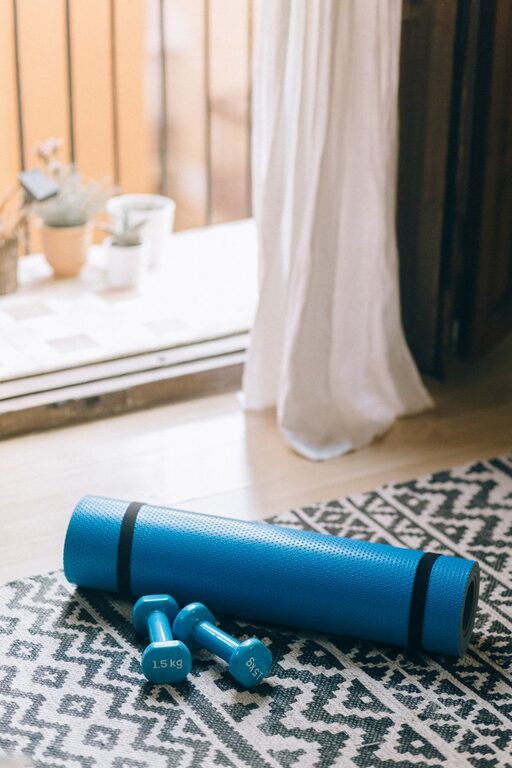
5. Engage in Gentle Exercise
Physical activity releases endorphins, which naturally boost mood. Low-impact options that work well at home include:
– Stretching or yoga using free online videos.
– A short walk in your neighborhood.
– Simple bodyweight exercises like squats, lunges, or push-ups.
Even 10-15 minutes a day can make a difference.
6. Cook a Nourishing Meal
Preparing a wholesome meal can be a therapeutic and rewarding experience. Use simple, affordable ingredients to:
– Try new recipes using pantry staples.
– Focus on balanced meals with vegetables, whole grains, and proteins.
– Involve family or friends for a social self-care activity.
Cooking also encourages mindful eating, which benefits digestion and satisfaction.
7. Create a Cozy Reading Nook
Set up a comfortable spot in your home dedicated to reading or relaxation:
– Use cushions, blankets, or a favorite chair.
– Keep a stack of books, magazines, or audiobooks nearby.
– Make it a screen-free zone to help your mind unwind.
Spending time reading can boost creativity and reduce stress.
8. Practice Deep Breathing Exercises
Deep breathing helps calm the nervous system and ease tension. Try this simple exercise anytime you feel stressed:
– Inhale slowly through your nose for a count of four.
– Hold your breath for a count of four.
– Exhale through your mouth for a count of six.
– Repeat several times until you feel calmer.
No special tools are required, and you can do this anywhere.
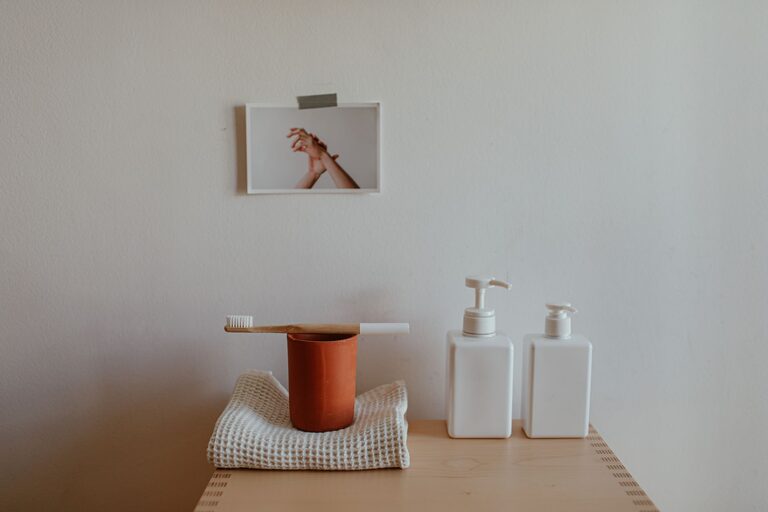
9. Organize a Mini Home Spa
Pampering yourself doesn’t have to be pricey. Use household items to create a spa day:
– Make a DIY face mask with ingredients like honey, yogurt, or avocado.
– Massage your hands and feet with olive or coconut oil.
– Play relaxing music and dim the lights.
Taking this time to care for your skin and body can improve your mood and appearance.
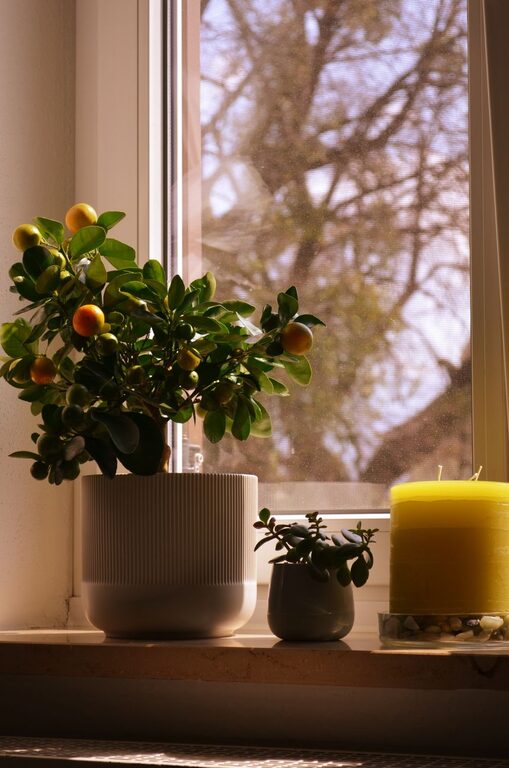
10. Cultivate a Small Indoor Garden
Growing plants can be a fulfilling hobby that brightens up your space and improves air quality.
– Start with easy-care plants like succulents, herbs, or pothos.
– Use small pots or recycled containers.
– Dedicate a few minutes daily to water and care for your plants.
Gardening encourages mindfulness and provides a sense of accomplishment.
Tips for Making Self-Care a Habit
– Schedule your self-care time like any other appointment.
– Start small to avoid feeling overwhelmed.
– Combine activities, like journaling while enjoying tea or practicing deep breathing during a walk.
– Be kind to yourself—self-care is personal and flexible.
Conclusion
Self-care doesn’t have to be a luxury—it’s a vital practice that anyone can weave into daily life without spending a lot. By trying some of these low-cost ideas, you can create comforting routines that nurture your well-being and help you manage stress. Remember, the most important part is showing up for yourself regularly and embracing activities that make you feel good.
Try incorporating one or two ideas from this list this week and see how they impact your mood and energy. Your mind and body will thank you!
About the Author